It heaved under the hull of the ferry in long, deliberate swells that made the timbers groan and the pilgrims sway where they stood. No one spoke much now. They had spoken on the first day out, when the mainland was still a bruise on the western horizon and the gulls followed overhead, shrieking like spoiled children. Men talk when land is near. They boast, they lie, they promise. But when there is nothing around you except black water and the sound of wind dragging its nails across the sailcloth, a man begins to hear other things. Regrets. Memories. The words he should have said. The things he should have done.
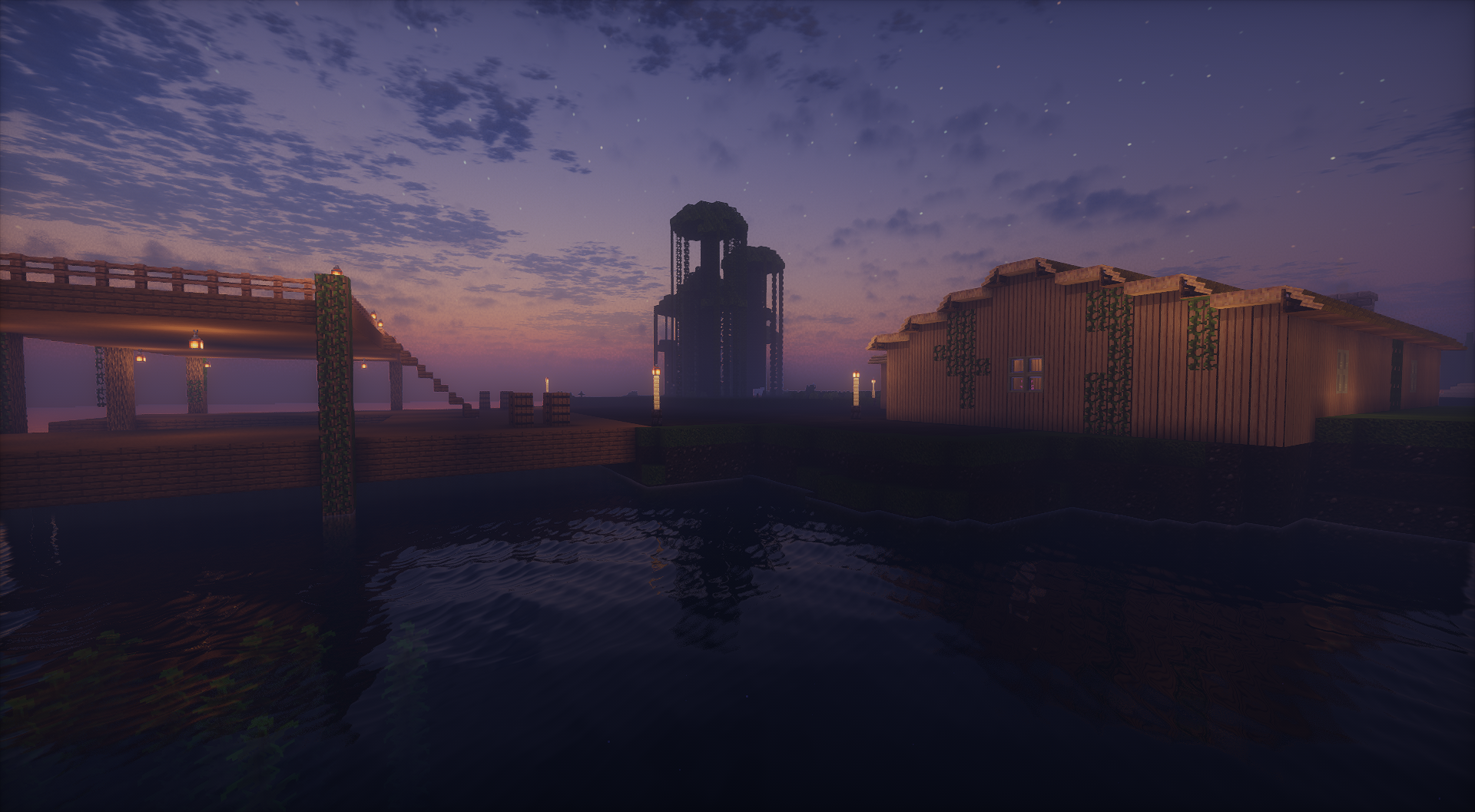
Ahead, the islands of Jhelom rose from the sea like dark backs breaking the surface of some sleeping beast.
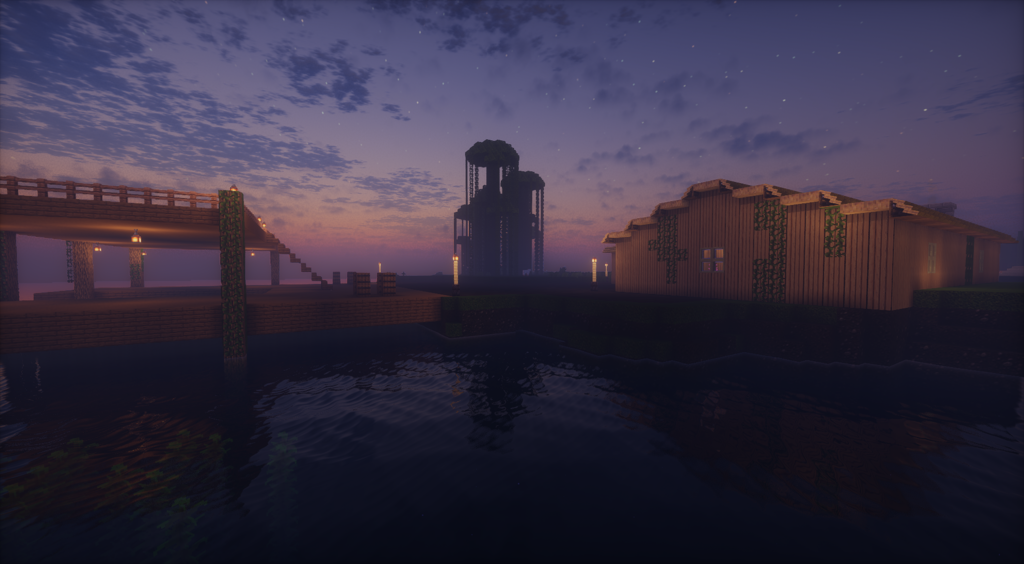
There were no mountains there. No great peaks, no towering stone crowns such as those beyond Destard to the north, nor the painted heights far to the east that old travelers swore glowed red and gold at sunrise. Jhelom was harsher than mountains. It was low land, battered land. Wind-cut ridges. Salt-scoured stone. Sparse grass clinging to the earth in gray-green patches. Watchfires burned near the harbor like embers in a dying grate, and beyond them the island spread outward beneath a ceiling of swollen clouds.
The ferryman, a rawboned man with a scar on his chin and one white eye, spat into the sea and said, “There she is. Jhelom. If you came for comfort, you took the wrong boat.”
A few nervous chuckles answered him, but they died quickly.
On the forward rail stood the knight.
His name was Sir Aldren Marr, though he had not called himself “Sir” since the day at Valewatch Field, when the title had curdled in his mouth. He wore no bright surcoat now. The once-blue cloth hanging from his shoulders had faded to a color like stormwater, and the mail beneath it was clean but badly dented. He was not an old man, but shame had a way of adding years where time could not. His beard was dark and thick with a touch of gray at the chin, and his hands gripped the rail so hard the knuckles shone white.
He stared at Jhelom the way a condemned man might stare at the scaffold.
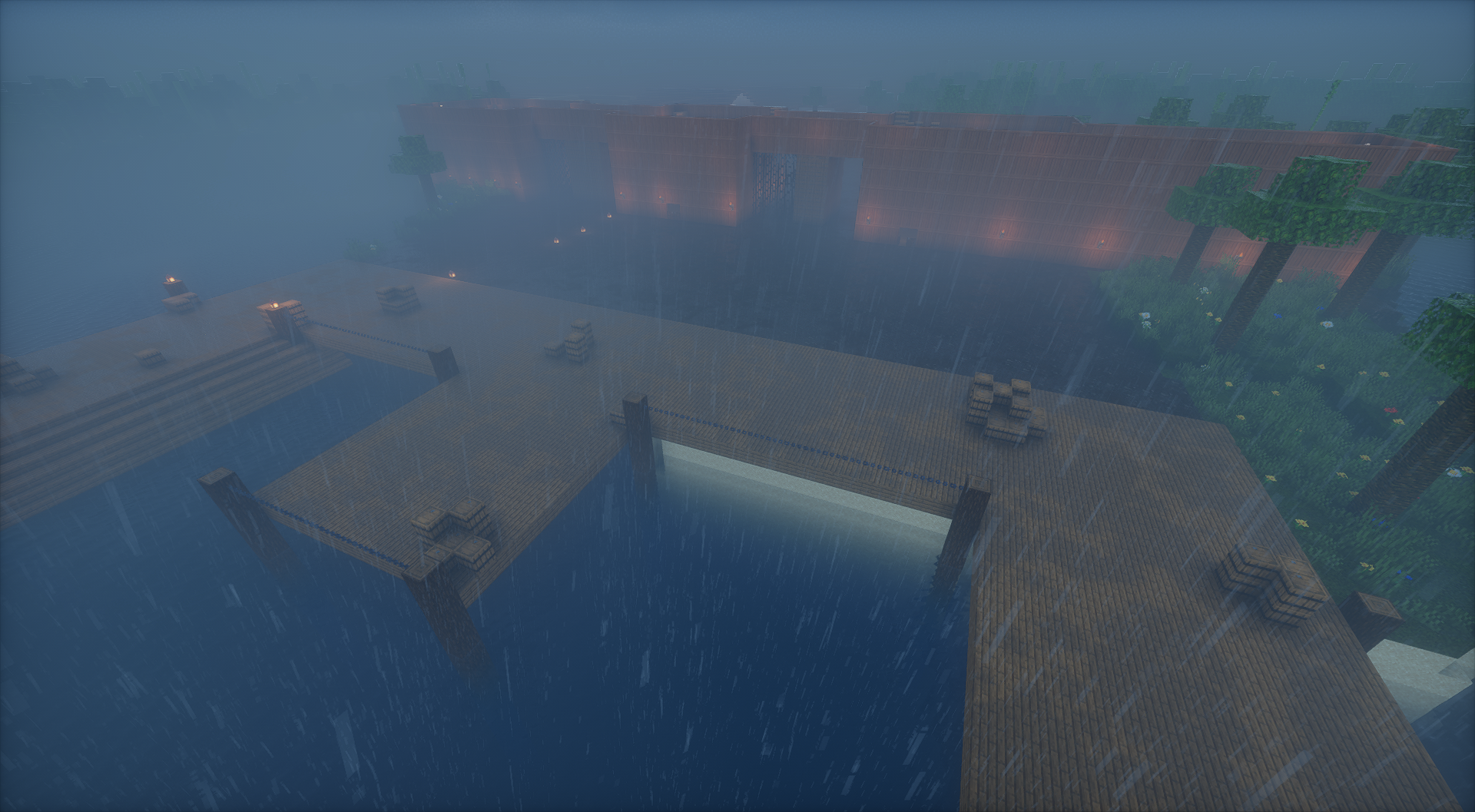
2026-03-09_11.27.20.png4.13 MB
Beside the mainmast sat the mercenary, broad across the shoulders, his boots planted wide as the deck pitched beneath him. He had introduced himself the first night as Garrick Vane, and he had done it with a smile that asked to be mistrusted. There was a notch through one eyebrow and another across his lower lip, and his sword belt looked like it had seen more years of use than prayer ever had. He carried no crest, no sigil, no token from any lord. Coin had been his banner, and by the look of him it had flown over many graves.
He had spent the journey playing dice with sailors, winning when the sea was calm and losing nothing when it wasn’t. Now the dice sat idle in his palm.
“You can smell the place already,” Garrick said. “Salt, fish, wet rope, and men trying to become something they aren’t.”
No one answered him. He grinned anyway.
Near the stern, wrapped in a travel cloak too thin for the weather, stood the youngest of them. His name was Tomas, and though he had tried more than once to deepen his voice when speaking to the others, youth clung to him like morning dew. Seventeen, perhaps eighteen. His shoulders were still deciding what shape of man they meant to become. He carried a plain spear and a round shield with fresh leather straps, the sort of equipment issued in haste to village boys when the world got dangerous. His hands were callused from farm work, not war, and his eyes moved constantly, taking everything in with the hungry intensity of someone who still believed his life had not yet truly begun.
He had asked questions the first day. About the arenas. About the sword masters. About whether it was true that warriors on Jhelom could split a helm with one stroke or fight three men at once without yielding a step.
No one had laughed at him. That was the worst part. Laughter would have been kinder.
At the rear of the boat, sitting on a coil of rope as if he had every right in the world to be comfortable there, was the retired warrior.
His name was Corwin Hale. He had the dry look of an old oak left too long in the weather: tough, split in places, not yet fallen. His hair was white at the temples and gone entirely from the top of his head. A scar reached from beneath one ear down into the collar of his tunic. Another bent two fingers on his left hand into a permanent hook. He wore no armor, only boiled leather and an old sword whose grip had been wrapped and rewrapped until it no longer resembled anything made in a proper armory.
Unlike the others, Corwin did not stare at Jhelom with fear, hope, or suspicion.
He looked at it like a man returning to a graveyard.
Tomas approached him just before the harbor bells began to ring.
“Have you truly been here before?” the boy asked.
Corwin glanced up, squinting as if the question had come from far away. “A long time ago.”
“They say the warriors here can make a man into something greater.”
Corwin gave a dry little laugh. “No. They can only strip away what was false. What’s left afterward depends on what was there to begin with.”
Tomas frowned, not understanding, but too proud to ask.
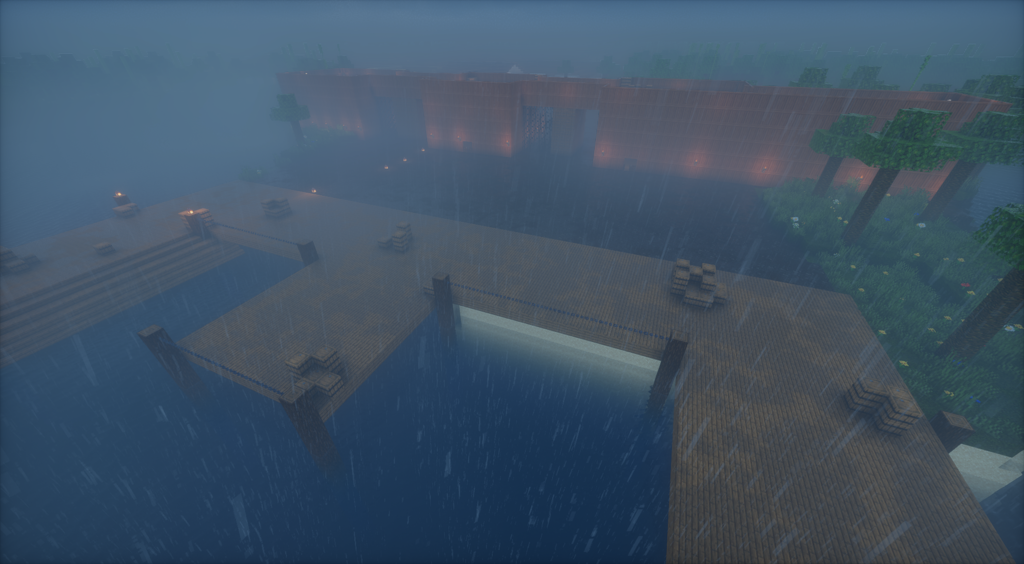
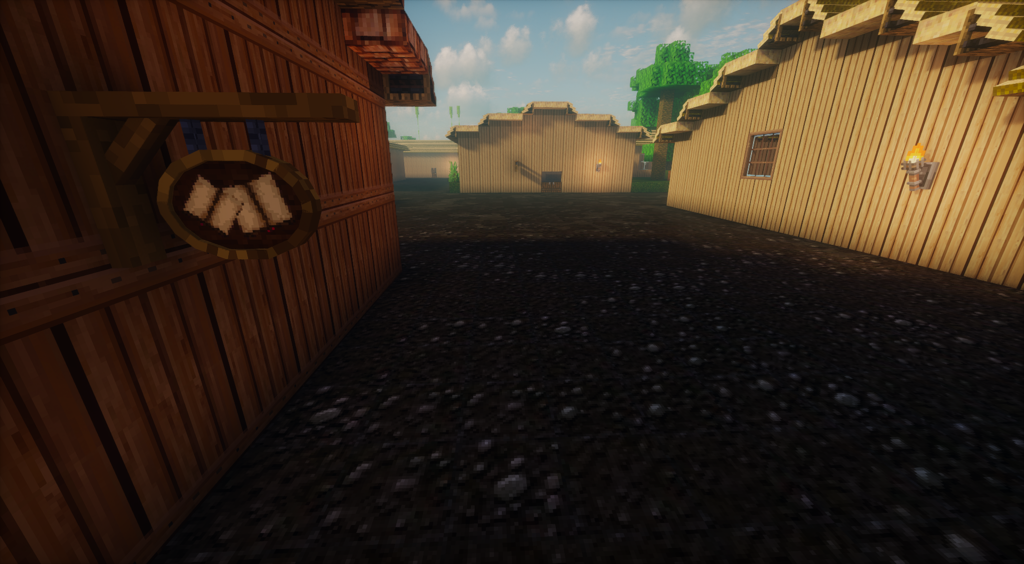
The ferry pushed through the last stretch of water. Harbor walls of weather-dark stone rose on either side. Beyond them waited the docks of Jhelom, crowded despite the rain that had begun to fall in a fine, needling mist. Men in training leathers hauled crates. Smiths worked open forges beneath overhangs of timber and canvas. Horses stamped in pens near the road. Here and there banners snapped in the wind, red and gold against the gray morning. The whole island seemed to breathe discipline. Not warmth. Not welcome. Discipline.
Sir Aldren watched the dock draw near and felt something cold moving in the pit of his stomach.
Valewatch came back to him then, as it always did when the world got quiet enough. The mud. The screaming. The broken line. The moment he had looked over his shoulder and seen the flank collapse. He had told himself a hundred times since then that he had gone to warn the reserve, that retreat had been duty, that survival had purpose. But the dead do not listen to excuses, and neither do the living. Three men had seen him ride from that field. Two had since died. The third had told the tale in Britain, and afterward mothers looked at him too long in the street, as though measuring what kind of knight came home without the sons he had sworn to lead.
Jhelom, he had been told, could scour such things from a man.
Or finish what they started.
The gangplank fell with a hard wooden clap.
No speech greeted them. No priest, no herald, no kindly host. Only a one-armed dockmaster in a tarred cloak who looked each arrival over with flat, disinterested eyes, as though measuring livestock.
“Pilgrims to the training halls,” he said. “Off the boat. Keep moving.”
Garrick Vane rose first, rolling his shoulders. “There’s the welcome I expected.”
Tomas adjusted his shield and hurried after him. Sir Aldren followed more slowly, boots striking the gangplank with the heavy sound of a man ascending to judgment. Corwin Hale came last, stepping onto the dock and pausing there for half a breath.
His eyes moved over the harbor, over the barracks above the rise, over the distant circle of the arena just visible through the mist.
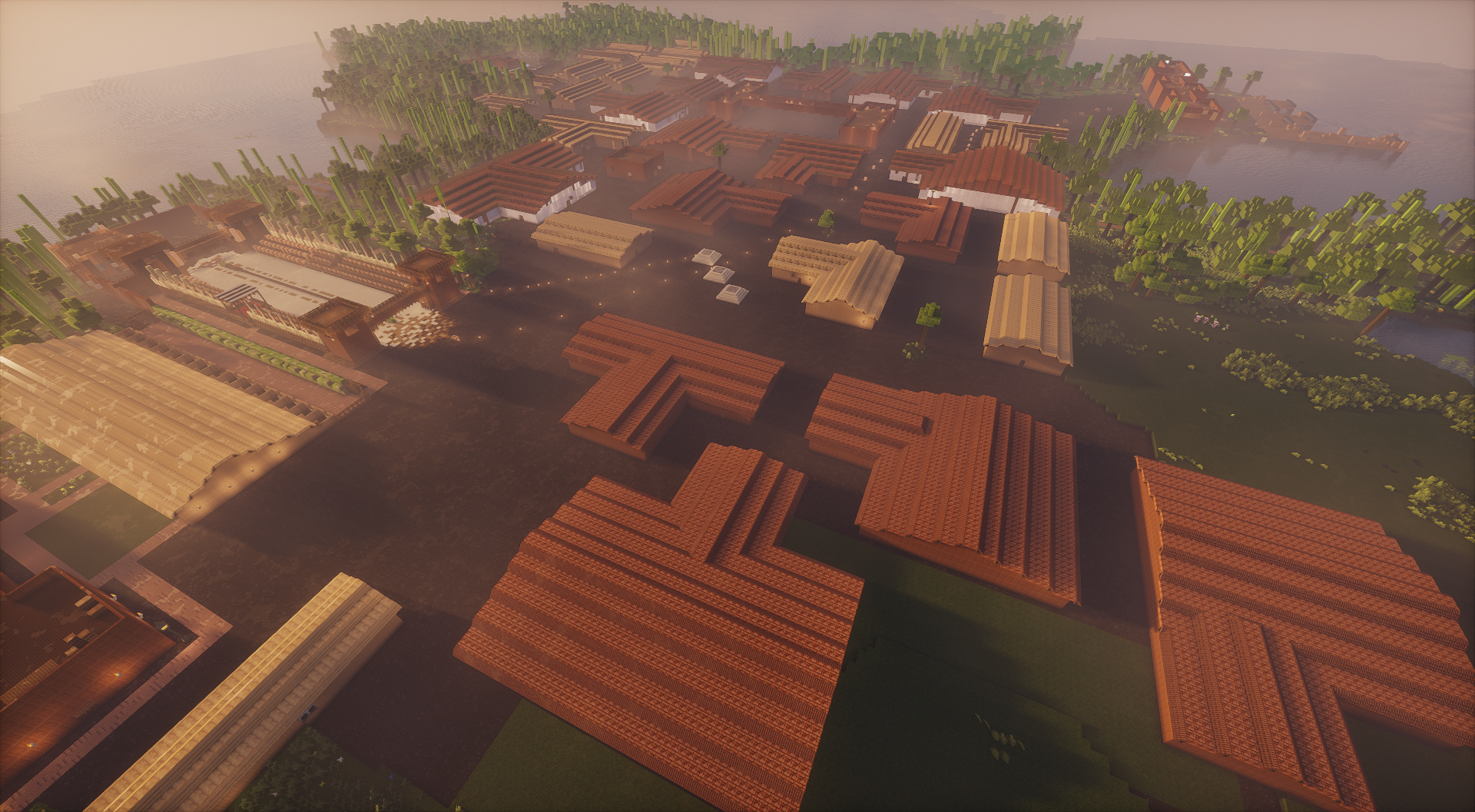
2026-03-09_11.32.22.png5.09 MB
His mouth tightened.
“Still here,” he murmured.
No one heard him except the sea.
And the sea, as ever, said nothing at all.
Rain began to fall the moment their boots touched the dock.
Not a hard rain. Not the kind that comes screaming sideways off the sea. This was a quieter thing, thin and steady, the sort that creeps into a man’s cloak and settles in his bones without asking permission. The harbor smelled of wet rope, pitch, and iron from the smithies further up the hill.
Pilgrims were everywhere.
Dozens of them moved across the dock and the narrow streets beyond. Some carried swords wrapped in cloth. Others wore armor that had clearly seen battle. A few looked like farmers or woodsmen who had simply decided one day to trade a plow or axe for a spear.
And every single one of them wore the same look.
Hope mixed with dread.
The one-armed dockmaster jerked a thumb toward the rising path that climbed away from the harbor.
“Training grounds are up there. Barracks if you’ve coin. Floor if you don’t. Masters will see you soon enough.”
“Masters,” Garrick muttered, adjusting the sword at his hip. “I always enjoy meeting men who believe they know everything.”
Corwin stepped past him without comment.
Sir Aldren followed more slowly, his eyes moving over the island as if searching for something that might already have fled. The wind carried the distant ring of steel striking steel, a rhythm that repeated again and again somewhere beyond the rise.
Practice swords.
Training.
Or punishment.
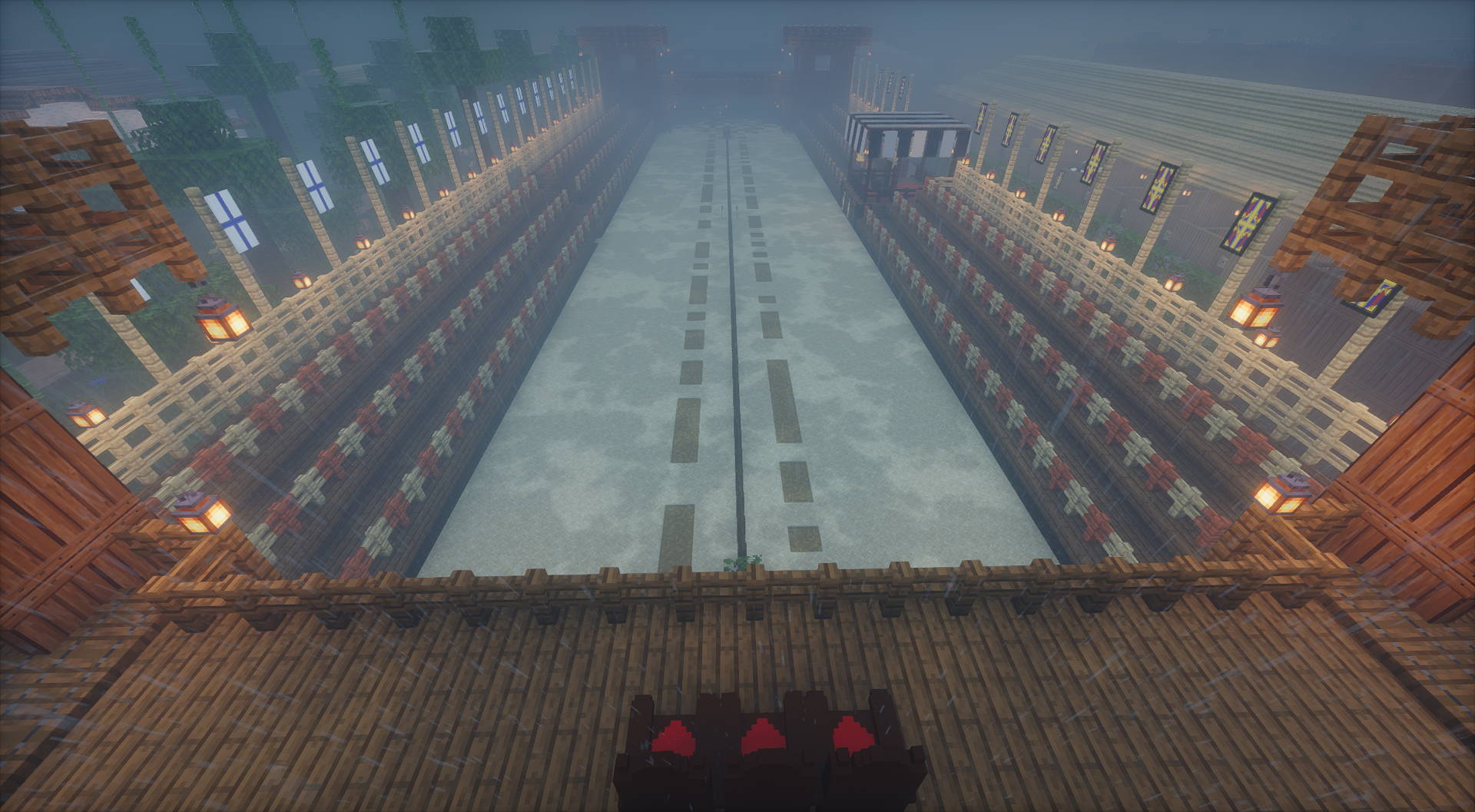
2026-03-09_11.28.23.png4.75 MB
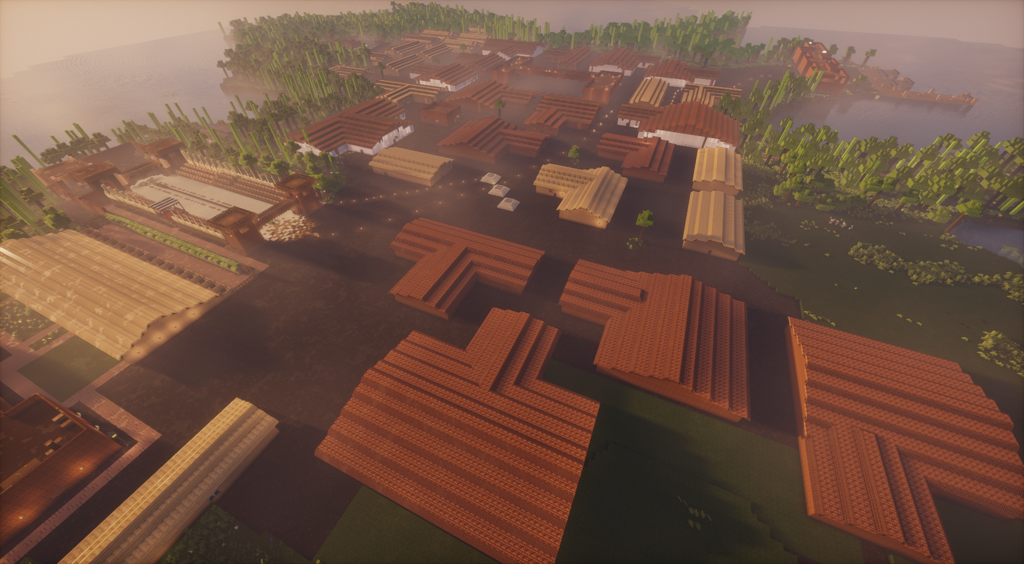
They climbed the road with the rest of the pilgrims. The path wound between low stone buildings built to endure the endless coastal wind. Training yards appeared on either side, packed earth darkened by rain and boot prints. Warriors sparred in pairs beneath the watch of instructors who looked carved from the same stone as the island itself.
No one smiled.
No one spoke encouragement.
The masters simply watched.
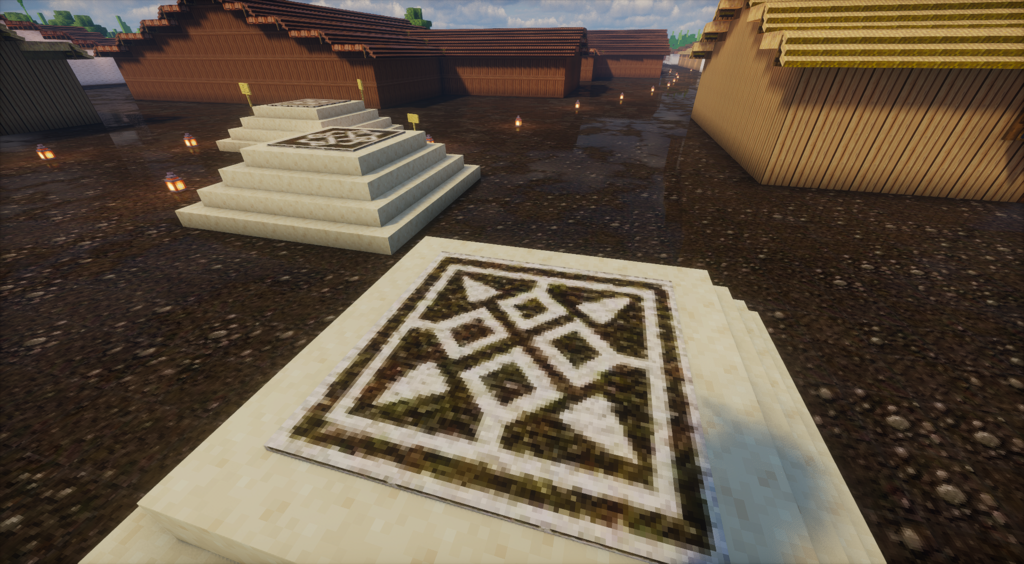
At the top of the rise stood a wide circular yard surrounded by wooden posts driven deep into the ground. The earth inside the ring was churned and scarred. Old blood had soaked into it so deeply that no rain could ever truly wash it away.
A bell hung from a crossbeam near the entrance.
It rang once.
The sound cut through the yard like a blade.
Conversations stopped. Training halted. Even the wind seemed to pause.
Four figures stepped forward from beneath a timber awning.
The masters.
They were not what Tomas expected.
He had imagined heroes, perhaps men in gleaming armor or warriors draped in banners of past victories. Instead the masters wore plain leather training gear darkened by years of sweat and rain. Their faces were lined and weathered, their hair cropped short or gone entirely.
One of them stepped forward.
He was tall in the way dead trees are tall—lean, rigid, and difficult to break. His beard was gray but thick, braided once near the chin. A jagged scar cut across the bridge of his nose, bending it slightly to one side.
His eyes passed over the gathered pilgrims like a measuring rod.
“Welcome to Jhelom,” he said.
His voice carried easily across the yard without needing to rise.
“You came here because the world told you a lie.”
A few confused glances passed among the pilgrims.
The master continued.
“You were told this island makes warriors.”
He gestured toward the battered training grounds surrounding them.
“It does not.”
His hand dropped to his side.
“This island breaks them.”
Silence settled heavily over the yard.
Sir Aldren felt the words strike him like a hammer against old iron.
The master’s gaze moved slowly through the crowd until it seemed to rest on each of them in turn.
“Some of you came because you failed. Some because you believe you are destined for greatness. Some because you have nowhere else left to go.”
His eyes paused briefly on Corwin.
Something flickered there. Recognition perhaps. Or memory.
Then it was gone.
“None of that matters here.”
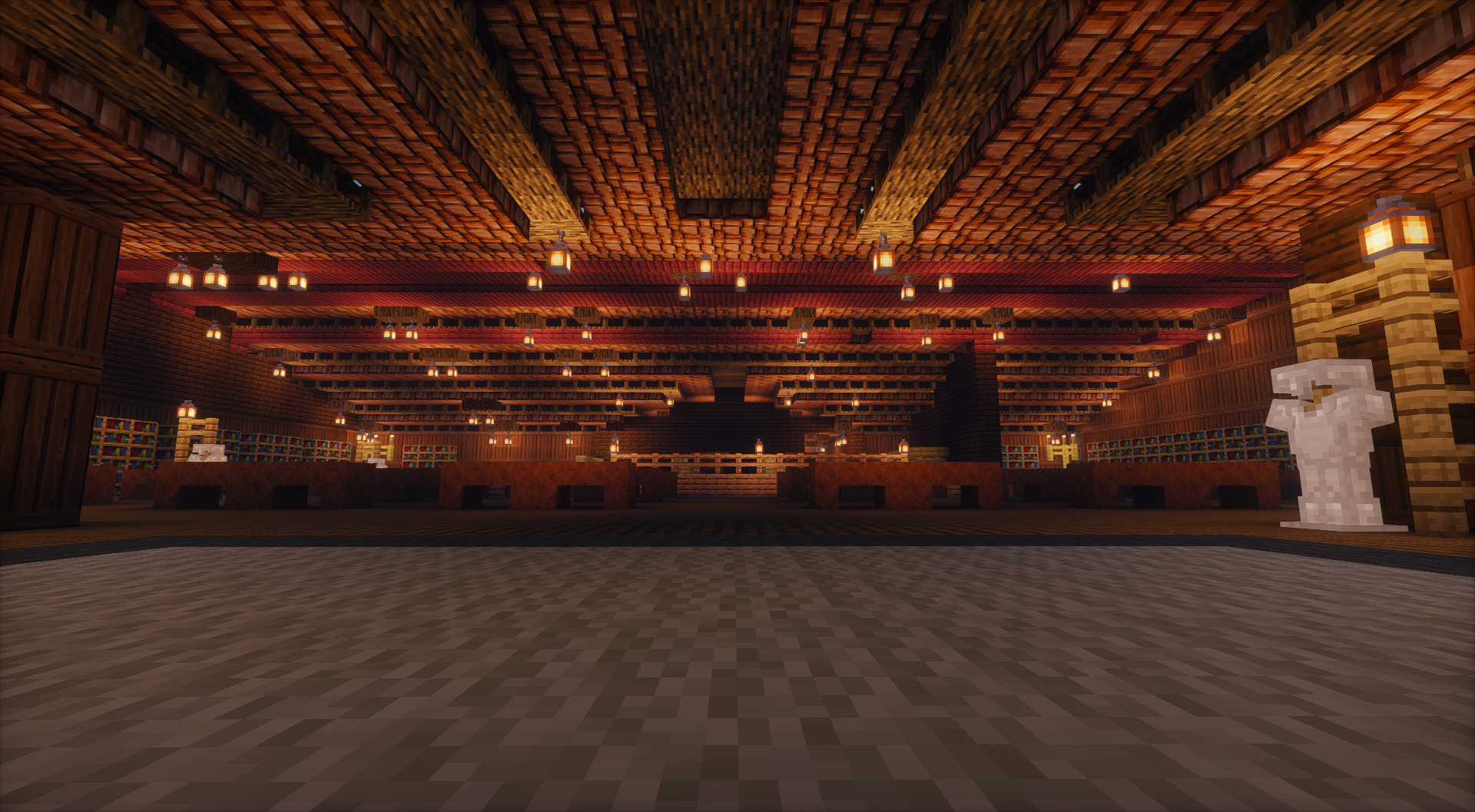
2026-03-09_11.34.54.png4.2 MB
A second master stepped forward then. This one was broader, his arms thick with old strength that had not yet abandoned him. A wooden staff rested across his shoulders behind his neck.
“You will eat when we say,” he said. “You will sleep when we say. You will train until your arms cannot lift a blade and your legs cannot hold your weight.”
His voice carried a note of amusement.
“And then you will train again.”
A murmur passed through the pilgrims.
Garrick chuckled quietly under his breath.
Tomas shifted his weight, suddenly aware that his spear felt far heavier than it had that morning.
The first master raised a hand.
The murmuring stopped instantly.
“The first trial begins today.”
He turned slightly, pointing toward the far end of the yard where rows of wooden practice swords rested in a rack.
“Steel has no patience for hesitation. Fear lives in the body—in the muscles, the breath, the trembling of the hands.”
His eyes swept across the pilgrims once more.
“We remove those things.”
Sir Aldren’s stomach tightened.
The master spoke again.
“This trial is called the Breaking.”
Two assistants dragged heavy bundles into the yard and cut the ropes binding them. Practice armor spilled out—scarred leather, dented helms, battered shields that had clearly been struck thousands of times before.
“You will train until you cannot stand,” the master said calmly.
“Then you will stand again.”
He began walking along the line of pilgrims, stopping occasionally to examine a weapon or adjust a stance.
When he reached Tomas, he paused.
The boy tried to straighten his shoulders.
The master reached out suddenly and shoved him hard in the chest.
Tomas stumbled backward and fell into the mud.
Laughter broke from Garrick before he could stop it.
The master did not smile.
“You fall easily,” he told Tomas.
The boy scrambled to his feet, face burning.
“I—I wasn’t ready.”
The master nodded once.
“You never will be.”
He continued walking.
When he reached Sir Aldren he stopped again.
For a long moment he simply stared.
“Knight,” the master said quietly.
It was not a question.
Sir Aldren said nothing.
The master leaned slightly closer.
“Your hands shake.”
Aldren looked down. They did.
“Good,” the master said.
Then he moved on.
Finally he stopped in front of Corwin Hale.
The two men regarded one another in silence.
Rain tapped softly against the packed earth.
“You came back,” the master said at last.
Corwin gave a faint shrug.
“Looks like I did.”
The master studied him another moment before turning away.
“To the racks,” he barked.
The yard erupted into motion.
Pilgrims rushed toward the wooden swords and battered armor.
Garrick grabbed the first blade he saw, swinging it experimentally through the air.
“Feels like a stick,” he muttered.
Tomas lifted one with both hands, testing the weight.
Sir Aldren held his weapon carefully, as if it might accuse him.
Across the yard the masters began arranging fighters into pairs.
Blades would soon meet.
Bones would soon ache.
And somewhere beneath the gray sky of Jhelom, the first cracks in each of them had already begun to form.
They rang the bell before dawn.
That became the shape of life on Jhelom.
Not sunrise. Not breakfast. Not prayer. The bell.
It tore men out of bad sleep and sent them stumbling into the wet gray morning while the sea wind came up from the harbor and worried at their clothes with cold fingers. Breakfast, when it came, was a heel of bread, a strip of smoked fish, and watered ale that tasted faintly of the barrel. No one was given enough to feel full. That, Tomas learned on the second day, was part of the lesson too.
A hungry man found out very quickly what he really was.
Trial One did not look grand. There were no ceremonies to it, no banners raised, no old words spoken in solemn tones. It was mud, sweat, bruises, barked commands, wooden swords, and the endless ring of practice staves striking shields. Jhelom had taken whatever pretty story the pilgrims carried with them and drowned it in work.
They drilled footwork until calves cramped and thighs burned. They carried stones from one end of the yard to the other and back again while the masters shouted at them for dropping pace. They learned to strike with wooden blades that jarred the arms and left fingers numb. They learned to block until their shoulders felt packed with hot sand. They ran the shoreline in mail shirts soaked by sea spray and came back shivering, only to be ordered into the yard for another round of sparring.
Men began leaving on the third day.
One slipped away before dawn, taking his gear and whatever pride he had left. Another threw down his sword after a beating from an instructor and announced that Jhelom trained butchers, not warriors. No one stopped him when he limped toward the harbor. The masters didn’t bother to watch him go.
That frightened Tomas more than anything else.
He had expected cruelty. He had not expected indifference.
He threw himself into every drill as if effort alone might make up the years he didn’t have. He lunged too hard, swung too wide, planted his feet badly and lost his balance over and over again. The instructors punished every mistake. Wooden blades cracked against his ribs, shoulders, thighs. Once he took a strike across the knuckles so hard he thought two fingers had broken.
“Again,” said the master.
Tomas swallowed the pain and raised the practice sword.
By the fifth day, the skin along his palms had opened in bright raw seams. His arms felt no longer like part of him, but like weights tied at the shoulders. He slept without dreaming because dreaming required strength.
2026-03-09_11.31.16.png3.74 MB
And still he kept getting up when the bell rang.
Across the yard, Sir Aldren suffered in a different way.
The knight had skill. That was obvious even to the greenest pilgrim. His stance was sound, his guard high and disciplined, his cuts clean when he made them. But there was a hitch in him, a moment’s pause before commitment, a shadow between thought and action. The masters saw it at once, smelled it the way dogs smell blood.
One old veteran with a bent nose made a sport of it.
He circled Aldren during sparring with his wooden sword held lazy at his side, almost insultingly casual. Aldren feinted, stepped in, then checked himself. That was enough. The veteran crashed a shield edge into his chest, swept his legs, and dropped him into the mud.
“Again,” the man said.
Aldren rose.
Again the hesitation. Again the fall.
By the fourth time Tomas stopped watching, because there was something private and awful in it, like seeing a church desecrated.
The mercenary Garrick lasted exactly two days before he began treating the training yard like a tavern brawl with rules too stupid to obey.
He hooked ankles. He shoved with his free hand. He threw mud in one man’s face and laughed when the man swung blind. For a little while it worked. Not well, but enough to keep that slanted smile on his mouth. Garrick had spent a life learning how to survive fights other men thought were fair.
Jhelom cured him of that notion.
The instructors stopped pairing him with pilgrims and began feeding him to veterans.
Disciplined men. Quiet men. Fighters who wasted no motion and gave no sign of anger when Garrick cheated. They simply absorbed it, turned it aside, and dismantled him piece by piece. A lock here. A hard strike to the wrist there. A sweep. A disarm. Once, a veteran trapped Garrick’s wooden blade underfoot and rapped him across the temple so sharply he dropped to one knee with a look of genuine surprise.
“You grin too much,” the veteran told him.
Garrick spat blood into the dirt and stood back up.
By the end of the week he was grinning less.
And then there was Corwin Hale.
For two full days he did nothing.
He stood at the edge of the yard in his weathered cloak, arms folded, watching the drills with the dead calm of a man waiting out bad weather. When ordered to take a practice blade, he declined. When told to join line drills, he shook his head once. The masters neither shouted nor threatened. They merely let him stand there, which somehow made it worse.
Tomas found himself glancing toward him between exercises. There was something unsettling in Corwin’s stillness. On an island where every man was being stripped raw, the retired warrior remained buttoned shut.
It ended on the sixth morning.
A broad-shouldered pilgrim from Minoc missed a block and took a blow to the knee. He went down hard, crying out, and his sparring partner, half-blind with exhaustion, advanced without hearing the master call halt. There are moments when the world seems to hold its breath before something ugly happens. This was one of them.
Corwin moved.
One moment he was at the rail. The next he was in the ring.
He took the descending wooden sword on his forearm, stepped inside the younger man’s reach, twisted the weapon free, and put the pilgrim flat on his back so fast it hardly looked real. No wasted motion. No flourish. Just an old, terrible efficiency.
The yard went silent.
Even the wind seemed to stop and listen.
Corwin looked down at the disarmed fighter, then at the master who had been crossing the yard too late to intervene.
“Thought he might kill the boy,” Corwin said.
The first master studied him with unreadable eyes. “So you do remember how.”
Corwin’s face changed a little then. Not much. Just enough for Tomas to see that whatever door had cracked open a moment before was already shutting again.
He handed back the wooden sword and stepped away without a word.
That night, when the bell rang for the evening meal, fewer pilgrims answered it than had answered on the first day.
The ones who remained were bruised, limping, hollow-eyed.
The master stood before them in the fading light.
“The Breaking is not to find the strongest,” he said. “Strength is easy to counterfeit. Pride is easy. Boasting is easy. Fear is easy.”
His gaze swept over them, resting for a moment on Aldren, Garrick, Tomas, and finally Corwin.
“We break those things first. Otherwise they kill you before any enemy ever has the chance.”
No one spoke.
They were too tired for words, and besides, they knew he was right.
Somewhere beyond the yard, waves struck the rocky shore of Jhelom in the dark. The sound was steady. Patient.
Like something waiting.
And in the silence that followed, the survivors of the first trial looked at one another and, for the first time, did not see strangers. They saw men who had been beaten in the same fire and had not yet burned away.
They opened the arena two mornings later.
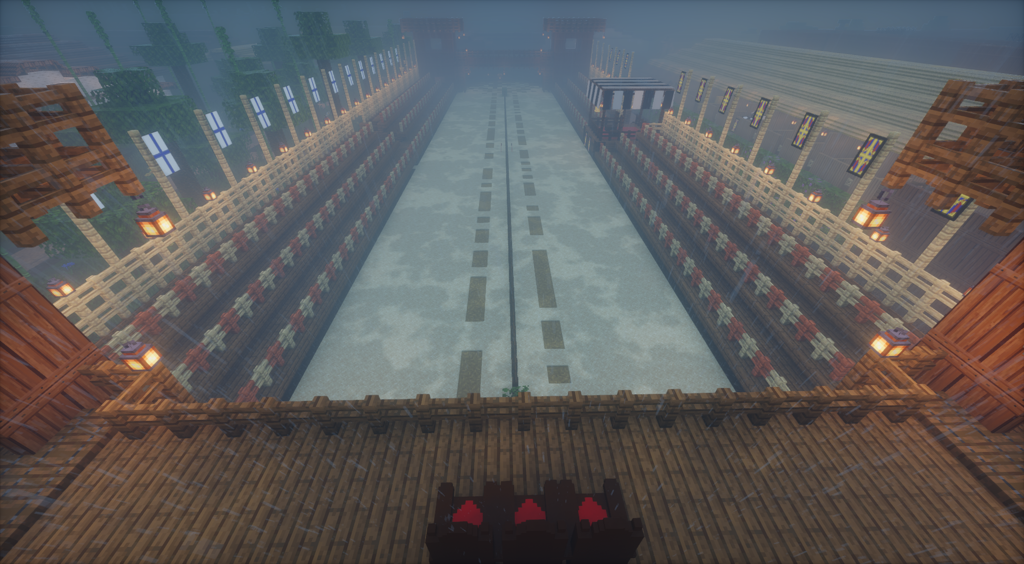
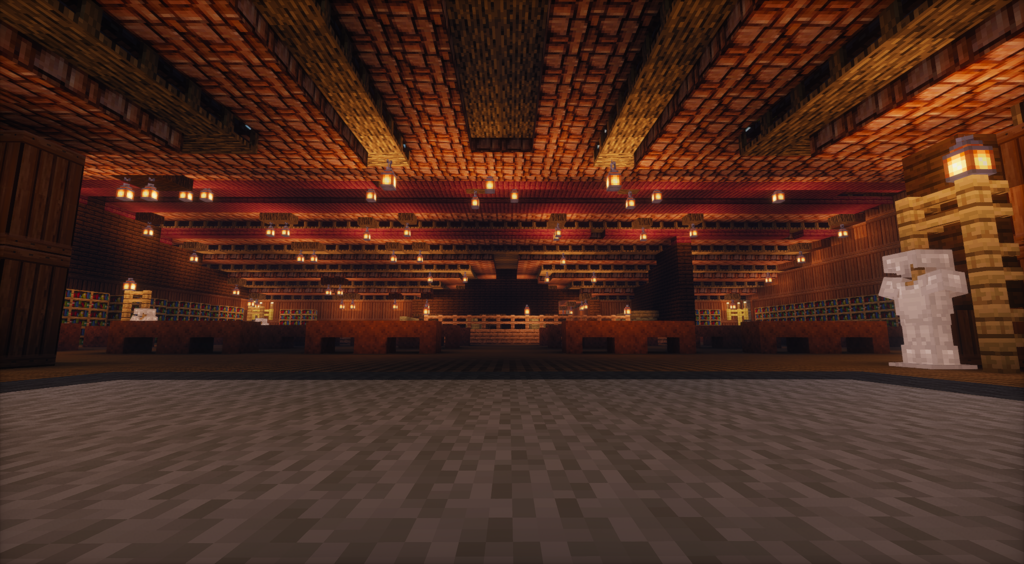
Until then Tomas had only seen it from a distance, a ring of weathered stone above the training yards where the gulls liked to wheel and cry. Up close it was uglier. Bigger, too. The floor was packed sand darkened in patches by old rain and older blood, and the seats rose around it in rough tiers where instructors, veterans, and the remaining pilgrims gathered without much talk. Jhelom did not cheer the way other places cheered. Its silences were heavier than applause.
Master Harlan stood at the center of the ring with his hands clasped behind his back.
“The Breaking stripped away weakness,” he said. “Or began to. This trial strips away lies.”
His voice carried easily in the sea wind.
“You will fight one another. No sharpened steel. No killing blows. Yield when you can no longer continue, or be made to yield.”
He let that sit.
“This is not a hunt. Not a brawl. Not murder dressed up as glory. You will face another soul with a weapon in your hand and decide what sort of creature you are.”
Tomas swallowed. His mouth was dry enough to hurt.
Garrick stood two places down the line with his arms folded, looking as if he might be bored. Sir Aldren stared into the arena floor. Corwin stood at the far end, expressionless, like a man attending a service he had not chosen to join.
The first duels began.
Tomas fought third.
The man opposite him was a leatherworker from Britain, broad-chested and older by ten years, with a scarred cheek and patient eyes. Tomas came in hard and fast, just as he had in the yards, trying to end in heartbeats what wiser men would have measured in minutes. The other fighter let him burn himself out. One parry. Another. A step to the side. Then the wooden sword cracked against Tomas’s ribs, his thigh, his shoulder. The last strike hit him square in the chest and sent him sprawling into the sand.
“Yield,” Harlan said.
Tomas forced himself up on one elbow, coughing.
“No.”
There was no defiance in it, not really. Only pain and embarrassment and something hot that would not let him stay down in front of all those eyes.
The leatherworker glanced toward Harlan, who gave a small nod.
The bout continued.
Tomas lasted perhaps ten more seconds. When the end came, the other man caught his weapon arm, twisted, and put him on his back with a practice blade laid across his throat.
“Enough,” Harlan said.
This time Tomas could only nod. The crowd did not laugh. Somehow that made it worse.
Sir Aldren entered next.
Even limping from the first trial, he carried himself like a knight. Training did not vanish because a man’s courage had. He saluted out of old habit, took his stance, and for a moment Tomas believed he might sweep the ring clean.
Then his opponent advanced.
A veteran fighter, shield in one hand and short practice blade in the other. Not large, not especially fast, but relentless. He pressed in the way infantry pressed on a battlefield, with no flourish and no mercy. Aldren’s guard held. His footwork was crisp. Twice he had openings. Twice Tomas saw the same thing happen: the tiny pause, the breath that caught, the hand that would not commit.
The veteran saw it too.
He hammered Aldren backward, shield first, then rapped him across the helm. Aldren recovered, circled, nearly turned the exchange with a clean strike to the ribs, but again that hesitation came creeping up from whatever cellar of memory it lived in. The veteran closed and struck him hard behind the knee.
Aldren dropped.
By the time the bout was called, the knight had lost cleanly, and he walked from the ring with the blank face of a man who has just met a ghost and found it wearing his own features.
Garrick’s first duel was a different thing entirely.
He moved beautifully. That was the truth of it, and lies had no place in Jhelom’s arena. Years of hired killing had given him timing that could not be taught in a fortnight. He knew how men shifted before they struck, how fear traveled into the shoulders, how to bait a mistake and make it look freely chosen. He toyed with his first opponent, drawing him out, turning him, clipping wrist and thigh until the man was too angry to think.
Then Garrick stepped in and ended it.
Fast. Efficient. Ugly around the edges.
He hooked a foot where no hook was needed. He struck after the call to break and disguised it as momentum. Not enough to earn open rebuke, but enough that a murmur went through the seats like wind moving grass. Garrick heard it and smiled, showing a little blood between his teeth.
Corwin alone refused the ring.
When Harlan called his name, the old warrior did not move.
“I told you,” Corwin said from the line. “I didn’t come here for games.”
A few heads turned at that. Tomas looked at Harlan and thought, He’s going to have the old man dragged in.
But Harlan merely said, “Then come and end one.”
The silence that followed was long enough for the gulls to be heard over the surf.
At last Corwin sighed, as though someone had asked him to lift something heavy from a cellar. He stepped down into the sand and took the offered wooden sword. Across from him stood a young islander, quick-eyed, fit, eager to prove himself against old age.
The match began.
It lasted less than a minute.
Corwin did not rush. He barely seemed to move at all, and yet every attack slid past him like rain off waxed cloth. He turned the younger man twice, tapped the wrist, checked the shoulder, and finally swept the practice blade from his hand so neatly that it spun once in the air and landed point-first in the sand.
Corwin could have struck then. Everyone saw it.
Instead he rested his own blade against the young man’s chest and stepped back.
“Yield,” he said softly.
The young islander, breathing hard, did.
No triumph touched Corwin’s face. Only weariness.
The turning point came late in the day when Harlan called, “Garrick Vane. Tomas of no house.”
A stir passed through the seats. Even Tomas felt it. Garrick had looked the strongest so far. Tomas had looked very nearly the weakest.
As they stepped into the ring, Garrick said under his breath, “Stay down when it’s time, boy.”
Tomas tightened his grip. “You first.”
The first exchange sent pain all the way up Tomas’s arm. Garrick was too quick, too sure, too practiced at hurting people in tidy little pieces. He clipped Tomas’s shoulder, then the thigh. A feint opened the guard and a strike to the ribs stole half his breath.
The crowd expected it to end there.
It didn’t.
Tomas kept coming.
Badly. Sloppily. With more courage than sense. He was bleeding from the lip and dragging one leg before the second minute was up, but every time Garrick knocked him down, he lurched back to his feet. Something in the arena changed then. Not noise. Jhelom was too hard a place for that. But attention sharpened. Men leaned forward.
At last Garrick trapped Tomas’s blade, twisted it away, and brought his own weapon up for the finishing strike.
Tomas lifted his chin and waited.
Garrick froze.
Only for a moment. A heartbeat. But in that stillness everyone saw it: the mercenary’s face gone strange, as if he had glimpsed some buried thing in the boy’s stubborn refusal to break.
Then Garrick lowered the sword.
“Enough,” he said.
Harlan’s eyes narrowed, but he nodded once.
At dusk, after the final bout, Master Elira stepped into the ring. She had said little all day, but when she spoke the arena listened.
“You think we watch for victory,” she said. “We watch for choice.”
Her gaze moved from Aldren to Garrick, then Tomas, then Corwin.
“A blade reveals a warrior most clearly at the moment he can destroy another. Whether he does, why he does, why he does not. That is the measure.”
The wind came cold off the sea.
No one spoke.
Beyond the arena, the waters around Jhelom darkened toward evening, restless and iron-gray beneath the gathering clouds. And though none of them knew it yet, the next trial would lead away from sand and spectators and into a place where no master’s hand could stop what came out of the dark.